Shelter Animal Photography Tips That Get More Adoptions
How to take photos of shelter animals that make adopters stop scrolling - lighting, positioning, timing, and common mistakes to avoid.
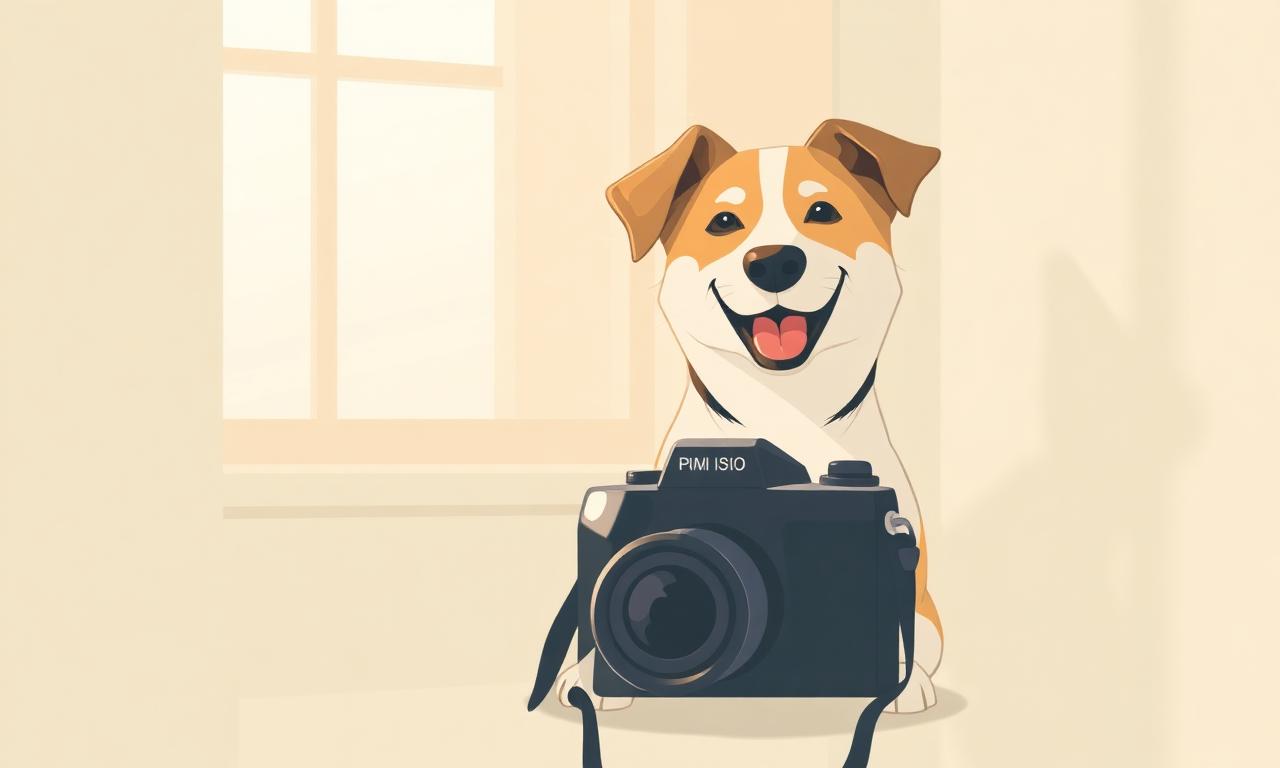
The photo is the first thing a potential adopter sees. Before the name, before the bio, before the compatibility notes - the photo decides whether they stop or keep scrolling. And most shelter photos don't stop the scroll.
This isn't about having professional camera equipment. It's about avoiding the specific mistakes that make animals look sad, scared, or unflattering - and using simple techniques that make them look like the animals they actually are.
Light is everything
The single most impactful change most shelters can make: stop photographing animals in their kennel run or adoption room under fluorescent lights. The overhead fluorescent light in most shelters creates flat, harsh shadows and gives every animal the same washed-out look regardless of their actual coat color.
What to do instead:
- Move the animal outside or to a window with natural light before photographing
- Shoot in open shade (under a tree or overhang) rather than in direct sun - direct sun causes squinting and harsh shadows
- "Golden hour" light (an hour after sunrise, an hour before sunset) is soft and warm and photographs well for every coat color
If outdoor shooting isn't possible, a window on a bright day gives dramatically better results than overhead fluorescents.
Get on their level
Most shelter photos are taken from standing height, looking down at the animal. This makes animals look small, submissive, and - especially for large dogs - either intimidating or dejected. Neither is what you want.
Crouch, kneel, or lie on the ground. Get the camera at eye level with the animal. This creates a portrait-style photo that shows the animal as a subject, not an object on the floor.
Wait for the moment
The photo you want is an engaged animal looking toward the camera with ears forward, mouth slightly open (for dogs), or curious expression (for cats). This is the "happy alert" look - the animal is engaged with the photographer, not stressed or shut down.
How to get it:
- Bring treats. A treat held just above the camera lens makes dogs look directly at the camera with bright eyes and perked ears.
- Crinkle a treat bag, squeak a toy, or make a strange noise to get ears forward and attention focused
- For cats, a wand toy above the camera produces the same focused attention
- Take 20 photos to get 3 good ones. Burst mode exists for this reason.
What to avoid:
- A dog pressed against a fence or wall (looks trapped)
- A cat in the back of a kennel (looks scared)
- Blurry action shots (fine for social media, not for adoption listings)
- Flash (creates red-eye and harsh shadows)
Backgrounds matter more than people realize
A cluttered background - a chain-link fence, cleaning supplies, the kennel door - makes the photo feel institutional. The animal's personality doesn't come through when the background is distracting.
Simple backgrounds that work:
- A plain wall or fence (bonus points for a warm-colored one)
- Grass or a garden
- A couch or bed in a foster home
- Autumn leaves, if you're photographing dogs outdoors in fall
Foster home photos consistently outperform shelter photos because the background signals "this animal belongs in a home." The animal on a couch is more adoptable than the same animal in a kennel run.
The phone camera is fine
You don't need a DSLR. The camera in a three-year-old phone is more than adequate for adoption listing photos. What you need is:
- Good light (see above)
- A clean lens (wipe it before shooting)
- Portrait mode turned on for a flattering depth-of-field blur behind the animal
- Steady hands or a surface to brace against
Species-specific tips
Dogs: Photograph after a walk so they're slightly calmed but still alert. Sit them in a "stay" and use a high-value treat held just above the camera to get the forward ears and engaged expression.
Cats: The best cat photos are almost always taken in a foster home. A cat in their own territory is relaxed, curious, and showing their actual personality. A shelter cat in a kennel is usually in stress-response. If you must photograph in the shelter, let the cat acclimate to the space for 20–30 minutes before the shoot.
Small animals (rabbits, guinea pigs, birds): Natural light, photographed at their level or from slightly above. Include something in the frame that gives a sense of scale - a hand, a familiar object - since people need to understand the animal's actual size.
The photo that gets shares
Beyond adoption listings, the photos that get shared on social media and bring new followers tend to have one thing in common: they make people feel something. A dog making direct eye contact with bright, warm expression. A kitten mid-yawn. A senior dog sleeping contentedly on a couch.
These photos take about 10% more effort than the average intake photo and generate many times the engagement. Keep your phone out when an animal does something endearing. Those candids are often your best adoption marketing.
Free for small rescues
Put this into practice with Fosterling.
Intake, foster matching, adoptions, and a public lost & found - in one calm place.
Start your rescue free