Animal Sanctuary Business Plan Template for Founders
A sanctuary business plan template with real numbers: acres per species, zoning checks, 501(c)(3) steps, a year-one budget and a three-year plan.
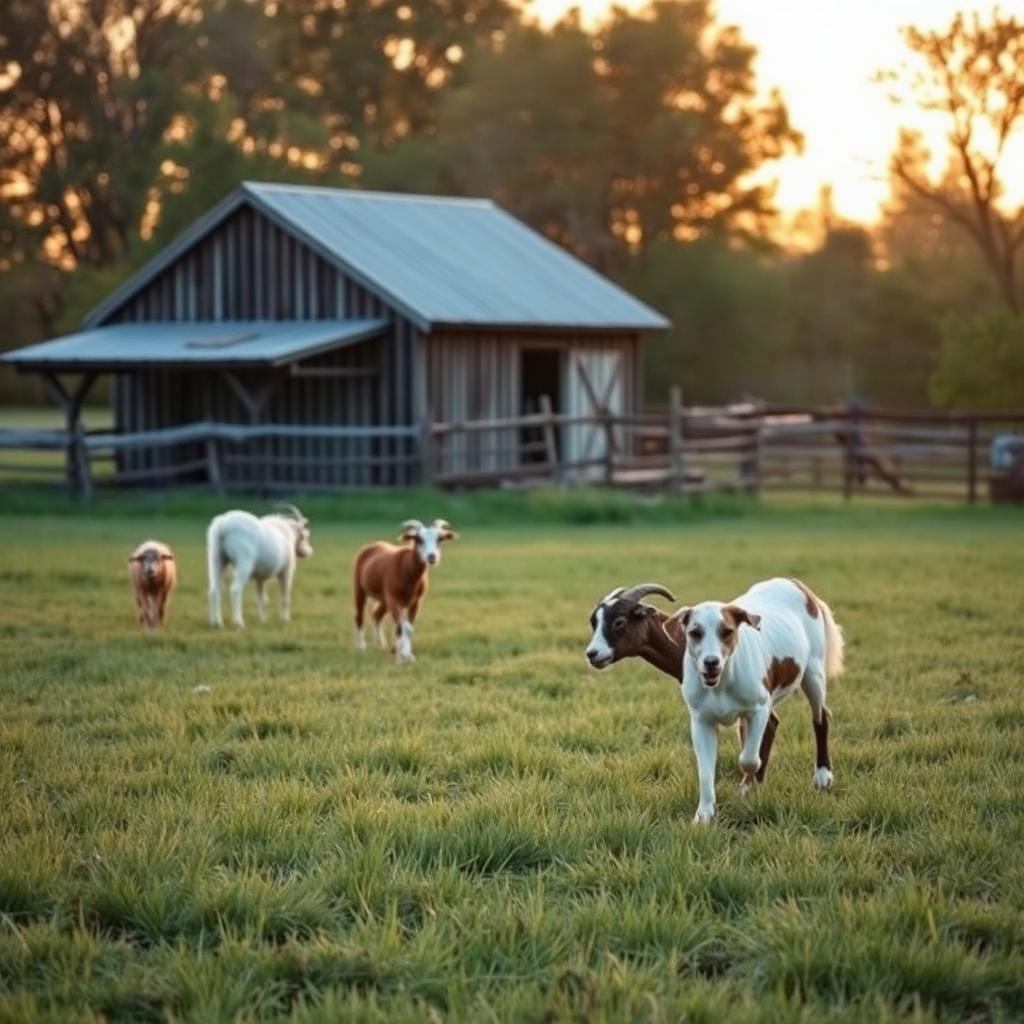
Most sanctuaries are born from a rescue someone couldn't say no to. That's a beautiful start and a terrible business plan. The sanctuaries that last decades - not months - share one thing: they treated the business plan as seriously as the mission. This template walks through every section a small animal sanctuary actually needs, with the numbers and decisions most founders learn the hard way.
1. Mission, scope, and the species decision
Before any spreadsheet, write a one-paragraph mission you can defend to a skeptical board member. Then answer the three questions that decide your entire cost structure:
- Which species? Farmed animals (cows, pigs, goats, sheep, chickens) carry the highest lifetime cost and the strictest zoning. Companion animals (dogs, cats, rabbits) need housing and vet density, not acreage. Equines need land, hay storage, and farrier relationships. Mixing species is harder than founders expect - vet specialists rarely overlap.
- What's your intake source? Owner surrenders, factory-farm rescues, law-enforcement seizures, other sanctuaries closing? Each has different legal paperwork, transport costs, and predictability.
- Are you lifetime-care or rehoming? True sanctuaries take animals for life. Rescues rehome. The financial model is dramatically different - lifetime care means a 15–25 year liability per animal.
2. Land, zoning, and capacity
Capacity is the single biggest constraint and the easiest one to overestimate. Real capacity numbers (USDA, ASPCA, and farm-sanctuary norms):
- Goats/sheep: ~1 acre per 6–8 animals on rotational pasture
- Pigs: ~1 acre per 2–3 pigs (they destroy ground fast)
- Cows: ~2 acres per cow in temperate climates
- Chickens: small acreage, but predator-proof housing is non-negotiable
- Horses: 1–2 acres per horse minimum
- Dogs: kennel + outdoor run, not pasture
Zoning will kill more sanctuary dreams than money will. Before you sign on land, get a written zoning verification from the county. Words you want to see: "agricultural", "rural residential with livestock", or a confirmed conditional-use permit. Words that should scare you: "residential", "homeowners association", or "subject to neighbor petition".
3. Legal structure
Nearly every sanctuary should form as a 501(c)(3) public charity, not a private foundation. Public-charity status unlocks the donor deductibility you'll need and avoids the 5% annual distribution requirement that crushes small foundations.
Sequence:
- Incorporate as a nonprofit corporation in your state (~$50–150)
- Get an EIN from the IRS (free, same day)
- Draft bylaws (board structure, conflict-of-interest policy, voting)
- File IRS Form 1023-EZ if you'll raise under $50K/year for three years, otherwise full Form 1023 ($275 vs $600 filing fee)
- Register for state charitable solicitation in every state where you'll fundraise online (most states require this - Harbor Compliance has a free chart)
Approval timeline: 1023-EZ is 2–4 weeks, full 1023 is 3–9 months. Plan your launch around it.
4. The actual budget
Founders dramatically underestimate two line items: vet costs and insurance. Use these realistic averages for a small (15–40 animal) mixed sanctuary in year one:
| Category | Annual cost (year 1) |
|---|---|
| Feed (hay, grain, dog/cat food) | $12,000–25,000 |
| Veterinary care + medications | $15,000–35,000 |
| Property insurance + liability | $4,000–8,000 |
| Workers' comp (if you have staff) | $2,000–6,000 |
| Fence repair, bedding, housing | $5,000–15,000 |
| Utilities (water is the big one) | $3,000–8,000 |
| Software, accounting, legal | $2,000–5,000 |
| Fuel, vehicle maintenance | $3,000–6,000 |
| Emergency reserve (critical) | 3 months operating |
The reserve isn't optional. Vet emergencies, hay-price spikes, and donor-cycle gaps will end any sanctuary that runs at zero. Aim for 6 months operating reserve by year three.
5. Revenue model
Most sanctuaries fund themselves through some mix of:
- Individual donors (60–80% of typical sanctuary revenue) - recurring monthly giving is the single most stabilizing thing you can build
- Sponsorships (sponsor-an-animal programs) - strong donor-retention tool; pairs well with regular update emails
- Grants - slow, paperwork-heavy, but real money (ASPCA, Petco Love, regional foundations)
- Earned revenue - tours, education programs, merchandise; usually 5–15% at most
- Events - fundraising galas, open houses, virtual events
A budget that assumes 80% from grants is fiction. A budget that assumes 80% from individual giving is achievable if you start building the donor list before you open intake.
6. Staffing and volunteers
Most small sanctuaries run with 1–2 paid staff (often the founders, eventually) and 20–60 volunteers. The realistic ratio: one full-time-equivalent caretaker per 25–40 animals for companion species, fewer for farmed animals depending on automation (auto-waterers, hay rings, etc.).
Volunteer management is the single most common operational failure. A volunteer coordinator (paid or skilled lead volunteer) is worth their weight by year two. See our volunteer management guide for the scheduling, onboarding, and retention systems that actually work at scale.
7. Standard operating procedures
Before you open, write SOPs for at least:
- Intake protocol (health check, quarantine, vaccination, microchip/tag)
- Daily care routine per species
- Medical emergency response (who calls the vet, who has authority to euthanize)
- Volunteer onboarding and safety
- Animal death (records, communications, donor notifications)
- Site emergency (fire, flood, evacuation plan with transport partners)
Boring? Yes. But these are also exactly what insurers, state regulators, and grant reviewers ask for.
8. Three-year plan
A defensible business plan projects out three years. For most small sanctuaries:
- Year 1: Establish, intake at 50% of capacity, build donor base from 0 to ~150 recurring
- Year 2: Intake at 80%, hire first paid staff, file first state grants
- Year 3: At capacity, stable monthly giving program, 6-month reserve achieved
Growth past year three usually means more land, not more animals per acre. Resist the pressure to overcrowd - overcrowding is the leading cause of sanctuary closures and the leading cause of news stories no founder wants to be in.
What to do next
If you're planning buildings and kennels, our guide to building an animal shelter covers zoning, layout, drainage and ventilation in detail. If you're earlier in the process, start with our step-by-step guide to starting an animal rescue - sanctuary work shares most of the same legal and operational foundation. When you're ready to manage intake, foster placements, donations, and adoption pipelines in one place, Fosterling is free for small rescues and sanctuaries and is built specifically for this work.
Free for small rescues
Put this into practice with Fosterling.
Intake, foster matching, adoptions, and a public lost & found - in one calm place.
Start your rescue free